

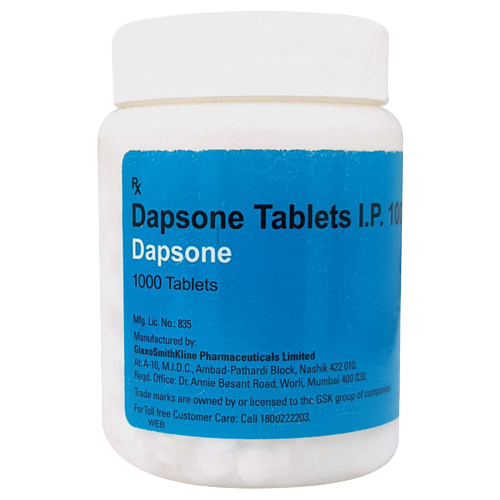

Description
Dapsone 100 mg Tablet – Uses, Dosage, Side Effects, Price
Dapsone 100 mg tablets are an antibiotic and anti-inflammatory medicine commonly used to treat leprosy and various skin conditions such as dermatitis herpetiformis and severe acne. It belongs to the sulfone class of drugs and works by blocking folate synthesis in bacteria, helping stop their growth.
Product Information
-
Generic Name: Dapsone
-
Strength & Formulation: 100 mg tablets
-
Pack Size: 1000-count bottles
-
Price: Around ₹396 (may vary by location and supplier)
-
Trade Names: Aczone, among others
-
Drug Class: Antibacterial & anti-inflammatory (sulfone antibiotic)
Mechanism of Action – How Dapsone Works
-
Antibacterial effect: Dapsone inhibits dihydropteroate synthase, an enzyme required for folate synthesis in bacteria. This prevents the growth of bacteria such as Mycobacterium leprae (which causes leprosy).
-
Anti-inflammatory effect: It also reduces immune overactivity, making it effective in skin conditions like dermatitis herpetiformis.
-
Other effects: Used as a second-line treatment in some opportunistic infections such as pneumocystis pneumonia and toxoplasmosis in immunocompromised patients.
Common Uses of Dapsone 100 mg
Dapsone is prescribed for:
-
Leprosy: Often given in combination with other medications.
-
Dermatitis herpetiformis: Chronic itchy skin condition with blisters.
-
Severe acne and other skin diseases.
-
Pneumocystis pneumonia & toxoplasmosis: As a second-line option in immunocompromised patients.
Dosage & Administration
-
Typical Adult Dose: As directed by the physician, usually 100 mg once daily.
-
Dermatitis Herpetiformis: Some patients respond to lower doses (25–50 mg daily).
-
Administration: Swallow tablets whole with water. Do not crush or chew.
-
Children: Not recommended under 6 years of age.
⚠️ Always follow your doctor’s prescription, as dosage may vary depending on condition and individual health.
Use During Pregnancy & Breastfeeding
-
Pregnancy: Appears relatively safe based on available data, but doctors prescribe it only when benefits outweigh risks.
-
Breastfeeding: Use with caution; consult a healthcare provider.
Side Effects of Dapsone
Common Side Effects:
-
Rash or skin irritation
-
Nausea and upset stomach
-
Headache
-
Fever
Serious Side Effects (seek medical attention):
-
Decrease in blood cells (anemia, leukopenia)
-
Liver inflammation
-
Severe allergic skin reactions
Warnings & Precautions
-
Use cautiously in patients with liver or kidney disease.
-
Not recommended for children under 6 years.
-
Avoid if allergic to dapsone or sulfa drugs.
-
Regular blood monitoring may be required to check blood cell counts and liver function.
Ingredients in Dapsone Tablets
-
Active Ingredient: Dapsone (100 mg)
-
Inactive Ingredients:
-
Colloidal silicon dioxide
-
Magnesium stearate
-
Microcrystalline cellulose
-
Corn starch / maize starch
-
Lactose monohydrate
-
Sodium lauryl sulfate
-
Colloidal anhydrous silica
-
Patient Experiences
-
Dermatitis herpetiformis: Some patients report great results even at lower doses (25–50 mg) with fewer side effects.
-
Leukocytoclastic vasculitis: Patients describe Dapsone as “life-saving,” especially when combined with prednisone, with symptoms returning quickly if a dose is missed.
Storage Guidelines
-
Store at room temperature.
-
Keep away from heat, moisture, and direct sunlight.
-
Keep out of reach of children and pets.


Ramiz Raja –
Dapsone tablets are really good for health wise