


Description
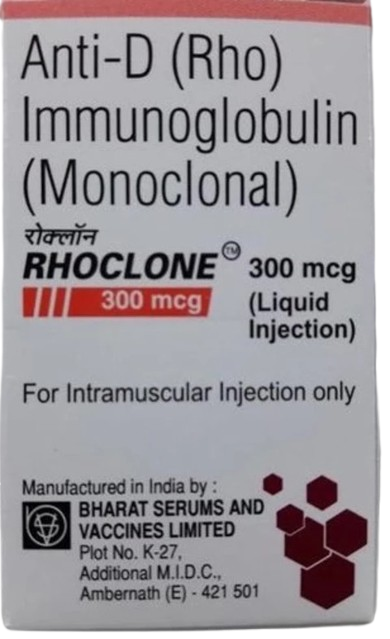
Anti-D Immunoglobulin Injection – Uses, Dosage, Side Effects & Guidelines
Overview
Anti-D Immunoglobulin Injection is a prescription medicine used to prevent RhD immunization in RhD-negative women, particularly during pregnancy or after childbirth. It helps protect future pregnancies by preventing the mother’s immune system from producing antibodies against RhD-positive blood cells.
Uses of Anti-D Immunoglobulin
-
Prevents RhD sensitization in RhD-negative mothers
-
Protects against hemolytic disease of the newborn (HDN)
-
Given during pregnancy, after delivery, or following sensitizing events such as miscarriage, abortion, ectopic pregnancy, or certain prenatal procedures
-
Administered intramuscularly (IM) by a healthcare professional
Recommended Dosage
Antenatal Prophylaxis
-
500 IU (100 mcg) at 28 and 34 weeks of pregnancy, OR
-
1500 IU (300 mcg) as a single dose between 28–30 weeks
Postpartum Prophylaxis
-
500 IU (100 mcg) or 1500 IU (300 mcg) within 72 hours after delivery if the newborn is RhD-positive
Other Situations
-
Should be given as soon as possible (within 72 hours) after any sensitizing event (e.g., miscarriage, trauma, invasive procedures)
⚠️ Note: Anti-D immunoglobulin doses are typically measured in International Units (IU) rather than volume (mL). Product strength and volume may vary by manufacturer. Always follow product-specific guidelines and your doctor’s instructions.
Side Effects of Anti-D Injection
Most side effects are mild and temporary:
-
Redness, pain, or swelling at the injection site
-
Mild fever, headache, or fatigue
Rare but serious side effects may include:
-
Allergic reactions (rash, itching, swelling, breathing difficulties)
Seek immediate medical attention if severe reactions occur.
Storage Guidelines
-
Store between 2°C – 8°C (refrigerated)
-
Do not freeze
-
Keep away from direct sunlight and out of reach of children
Reviews
There are no reviews yet.