


Description
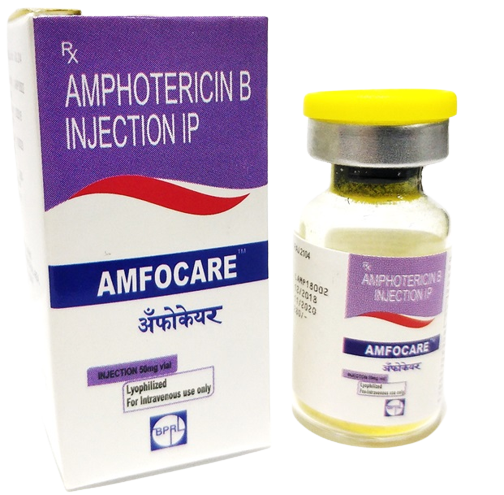
Amphotericin B 5mg Injection – Uses, Dosage, Side Effects & Storage
Overview
Amphotericin B 5mg Injection is a potent antifungal medicine used for the treatment of severe and potentially life-threatening fungal infections. It is usually prescribed when other antifungal options are not effective or suitable.
This injection works by disrupting fungal cell membranes, preventing their growth and survival. Amphotericin B is often given as a liposomal formulation, which helps reduce side effects compared to conventional formulations.
Amphotericin B Injection Uses
-
Treatment of severe fungal infections caused by:
-
Aspergillus
-
Candida
-
Cryptococcus
-
Other invasive fungi
-
-
Indicated for life-threatening infections in immunocompromised patients
-
Not recommended for mild or superficial fungal infections in patients with normal immune function
Key Features & Benefits
-
Powerful antifungal activity for invasive fungal infections
-
Liposomal drug delivery system reduces side effects compared to traditional amphotericin B
-
Administered by slow intravenous infusion, usually once daily or every other day
-
Carefully adjusted dosage based on patient’s weight, condition, and treatment response
Active Ingredients
-
Amphotericin B – primary antifungal agent
-
Deoxycholic acid – improves solubility of the drug
-
Sodium phosphate (dibasic & monobasic) – buffering agents
Dosage & Administration
-
Usual Adult Dose: 0.7 – 1 mg/kg by slow IV infusion (over 4–6 hours), once daily
-
Initial Dose: 5–10 mg in sensitive patients, then gradually increased by 5–10 mg/day
-
Maximum Dose: Should not exceed 1.5 mg/kg/day (due to risk of toxicity)
-
Preparation:
-
Reconstitute vial to 5 mg/mL
-
Further dilute in 500 mL of 5% glucose
-
Infuse over 2–6 hours (may shorten to 1 hour if tolerated)
-
-
Monitoring: Kidney and liver function must be checked regularly; premedication may be given to prevent infusion reactions
Possible Side Effects
Like all antifungal treatments, Amphotericin B can cause side effects, including:
-
Common: Fever, chills, nausea, headache, muscle/joint pain, infusion site reactions
-
Serious (require monitoring): Kidney damage, liver issues, electrolyte imbalance, nerve/muscle toxicity, severe infusion reactions
⚠️ Careful hospital-based monitoring is required throughout treatment.
Storage Guidelines
-
Store powder vials refrigerated at 2–8°C
-
Reconstituted solution stable for 24 hours if refrigerated
-
Diluted infusion solution should be used immediately
Patient Reviews & Effectiveness
-
Average Rating: 3.5/5 (based on WebMD reviews)
-
Pros: Effective for invasive fungal infections resistant to other treatments
-
Cons: Risk of side effects, dosing complexity, and long treatment duration
-
Requires close medical supervision for safety and effectiveness
Reviews
There are no reviews yet.