


Description
Opdivo (Nivolumab) Injection – Uses, Dosage, Side Effects & Availability in Pakistan
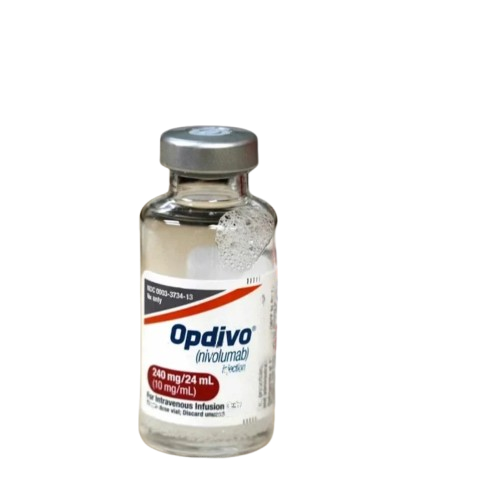
Opdivo (Nivolumab) is a breakthrough cancer immunotherapy developed by Bristol-Myers Squibb. It is classified as a PD-1 immune checkpoint inhibitor and is used for the treatment of multiple cancers including melanoma, non-small cell lung cancer (NSCLC), renal cell carcinoma, Hodgkin lymphoma, urothelial carcinoma, head & neck squamous cell carcinoma, and colorectal cancer with specific biomarkers.
In Pakistan, Opdivo is available as an imported injection in multiple vial strengths, including:
-
40 mg/4 mL
-
100 mg/10 mL
-
120 mg/12 mL
-
240 mg/24 mL (10 mg/mL concentration)
Opdivo Key Benefits
-
Enhanced Immune Response: Blocks the PD-1 receptor on T-cells, restoring their ability to detect and destroy cancer cells.
-
Versatile Treatment: Can be used alone or in combination with other therapies like ipilimumab (Yervoy) or chemotherapy.
-
Improved Survival Rates: Clinical trials show significant survival benefits over standard chemotherapy in advanced cancers.
-
Durable Results: Patients may continue to benefit even after treatment stops due to long-lasting immune activation.
-
Adjuvant Therapy: Helps reduce the risk of cancer recurrence after surgery in certain cancers.
Opdivo Indications
Opdivo is prescribed for:
-
Unresectable or metastatic melanoma
-
Advanced or metastatic non-small cell lung cancer (NSCLC)
-
Advanced renal cell carcinoma
-
Classical Hodgkin lymphoma
-
Urothelial carcinoma
-
Head & neck squamous cell carcinoma (HNSCC)
-
Colorectal cancer with MSI-H/dMMR biomarkers
Dosage & Administration
Opdivo is given as an intravenous (IV) infusion over 30 minutes under medical supervision.
-
Adults: 240 mg every 2 weeks OR 480 mg every 4 weeks.
-
Pediatrics (≥12 years, <40 kg): 3 mg/kg every 2 weeks.
-
Combination Therapy (with Ipilimumab): 1 mg/kg of Opdivo every 3 weeks (up to 4 doses), then continue with 240 mg every 2 weeks or 480 mg every 4 weeks.
⚠️ Dosage may vary depending on cancer type, disease stage, and patient response. Always follow your oncologist’s prescription.
Side Effects & Safety Information
Like all immunotherapies, Opdivo may cause immune-related side effects, where the immune system attacks healthy organs. Common side effects include:
-
Pneumonitis: Lung inflammation causing cough or breathing difficulty.
-
Colitis: Diarrhea, abdominal pain, or intestinal inflammation.
-
Hepatitis: Elevated liver enzymes, jaundice.
-
Endocrine disorders: Thyroid dysfunction (hyper/hypothyroidism), adrenal insufficiency.
Patients on Opdivo require regular blood tests to monitor liver, kidney, and thyroid function.
Contraindications:
-
Active autoimmune diseases (e.g., lupus, Crohn’s disease)
-
Severe hypersensitivity to nivolumab
-
Not recommended in pregnant or breastfeeding women
Storage Instructions
-
Store in a refrigerator at 2°C – 8°C (36°F – 46°F).
-
Keep in the original carton, protected from light.
-
Do not freeze.
-
Once diluted, use immediately or within 24 hours at room temperature.
Nutrition & Lifestyle Advice During Opdivo Therapy
-
Avoid alcohol, as it may worsen liver side effects.
-
Limit acidic foods (tomatoes, citrus, vinegar) if experiencing stomach irritation.
-
Eat soft, high-protein foods (fish, eggs, beans, dairy) to support immune health.
-
Stay well-hydrated throughout treatment.
-
Consult a dietitian for personalized nutritional guidance.
Why Choose Opdivo (Nivolumab)?
Opdivo represents a revolutionary approach to cancer treatment, harnessing the body’s own immune system to fight tumors. With its proven efficacy, durable responses, and broad range of indications, it has become a leading choice for oncologists worldwide.
Ramiz Raja –
Opdivo injection are really good for health