



Description
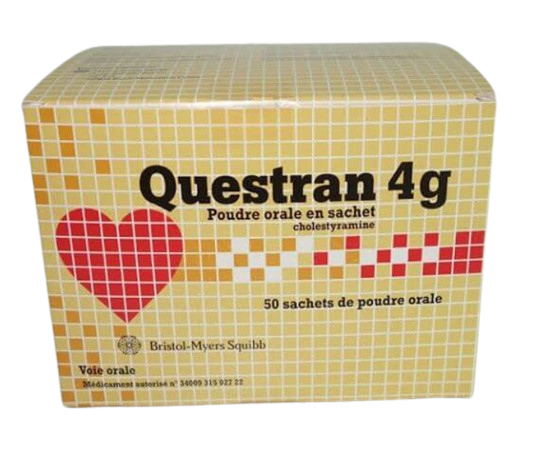
Questran (Cholestyramine) Sachet – Cholesterol & Diarrhea Treatment
Product Name: Questran Sachet
Generic Name: Cholestyramine (Colestyramine)
Strength: 4g per sachet (anhydrous cholestyramine)
Dosage Form: Oral powder for suspension
Therapeutic Class: Bile Acid Sequestrant
What is Questran (Cholestyramine)?
Questran (Cholestyramine) is a bile acid sequestrant used to lower high cholesterol levels and to manage certain gastrointestinal conditions. It works by binding to bile acids in the intestine, preventing their reabsorption and promoting their excretion through stool. This process forces the liver to use cholesterol to make more bile acids, thereby reducing blood cholesterol levels.
In addition, Questran is effective for itching (pruritus) caused by partial biliary obstruction and for controlling chronic diarrhea due to conditions like Crohn’s disease, ileal resection, vagotomy, diabetic vagal neuropathy, or radiation therapy.
Key Indications – Uses of Questran
Questran is prescribed for:
-
Hypercholesterolemia: Lowers LDL cholesterol and reduces cardiovascular risk
-
Pruritus Relief: Helps relieve itching from partial biliary obstruction & primary biliary cirrhosis
-
Diarrhea Management: Effective in chronic diarrhea linked with Crohn’s disease, surgery, or neuropathy
-
Radiation-Induced Diarrhea: Provides control for bowel symptoms after radiation therapy
-
Primary Prevention of Coronary Heart Disease: Especially in men aged 35–59 with hypercholesterolemia unresponsive to diet
Benefits of Questran
-
✅ Lowers LDL cholesterol and slows progression of atherosclerosis
-
✅ Prevents coronary heart disease in high-risk patients
-
✅ Relieves pruritus associated with bile acid buildup
-
✅ Controls diarrhea from multiple causes
-
✅ Can be used in pregnancy (with vitamin supplementation) and breastfeeding
Dosage & Administration
-
Starting Dose: 4g (1 sachet) once or twice daily
-
Maintenance Dose: 8–24g per day (2–6 sachets), divided into 2–6 doses
-
Maximum Dose: 24g/day (6 sachets)
-
Administration: Mix sachet with 2–6 oz of water, juice, skim milk, or soup. Never take the powder dry.
-
Timing: Take with meals. Other medicines should be taken 1 hour before or 4–6 hours after Questran to avoid interactions.
Possible Side Effects
Like all medications, Questran may cause some side effects:
-
Common: Constipation, bloating, nausea, stomach pain, gas, loss of appetite
-
Long-term risks: Vitamin K deficiency (increased bleeding risk), hyperchloremic acidosis in high doses
-
Dental: Powder can stick to teeth – maintain good oral hygiene
Drug Interactions
Questran can reduce absorption of other medicines. Take them at least 1 hour before or 4–6 hours after Questran. Notable interactions:
-
Severe: Mycophenolate, Teriflunomide
-
Moderate: Digoxin, Warfarin, Atorvastatin
Special Precautions
-
❌ Do not use if you have complete biliary obstruction
-
⚠️ Use with caution if you have chronic constipation or GI obstruction
-
⚠️ May reduce absorption of fat-soluble vitamins (A, D, E, K) – supplementation may be required
-
❌ Avoid if allergic to aspartame (contains phenylalanine; unsafe for PKU patients)
-
Maintain a low-fat diet and drink plenty of fluids to minimize constipation
Diet & Lifestyle Tips with Questran
-
✅ Eat lean proteins, fruits, vegetables, and whole grains
-
✅ Use healthy fats (avocado, nuts, olive oil) in moderation
-
🚫 Avoid high-fat fried foods, grapefruit, and excessive dairy close to dosing
-
💧 Stay hydrated to prevent constipation
Storage Instructions
-
Store at room temperature, away from moisture, heat, and direct sunlight
-
Keep in a tightly closed container
-
Keep out of reach of children


Ramiz Raja –
These sachet really good for health