


Description
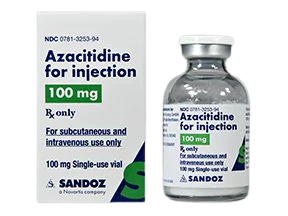
Azacitidine 100 mg Injection – Uses, Dosage, Side Effects & Storage
Overview
Azacitidine 100 mg Injection is a prescription-only chemotherapy medicine used for the treatment of myelodysplastic syndrome (MDS) and juvenile myelomonocytic leukemia (JMML). It works by stimulating the bone marrow to produce healthy blood cells while destroying abnormal cancer cells that grow uncontrollably.
Active Ingredient: Azacitidine (single-ingredient medication)
Azacitidine 100 mg Injection Uses
-
Treatment of myelodysplastic syndrome (MDS)
-
Treatment of juvenile myelomonocytic leukemia (JMML)
-
Improves blood cell counts and reduces symptoms caused by abnormal cell growth
-
Works by interfering with DNA synthesis and reducing cancer cell multiplication
Dosage & Administration
-
Standard Dose: 75 mg/m² subcutaneously (SC) or intravenously (IV) once daily for 7 days in a row
-
Treatment Cycle: Repeated every 4 weeks
-
Dose Adjustment: May increase up to 100 mg/m² if no benefit after 2 cycles
-
Duration: Minimum of 4–6 treatment cycles
-
Dosage adjustments based on response and side effects as advised by the doctor
Side Effects of Azacitidine Injection
Common Side Effects:
-
Injection site pain, redness, or bruising
-
Nausea, vomiting, diarrhea
-
Fatigue and tiredness
-
Mouth sores and rashes
Serious Side Effects (require immediate medical attention):
-
Easy bleeding or bruising (thrombocytopenia)
-
Severe infections due to low white blood cell counts
-
Allergic reactions (rash, swelling, breathing problems)
Contraindications & Warnings
-
Not to be used in patients with advanced malignant liver tumors
-
Not recommended during pregnancy – can harm the fetus
-
Both men and women should use effective birth control during treatment
-
Regular blood tests required to monitor blood cell counts and response
Storage Information
-
Supplied as 100 mg lyophilized powder in single-dose vials
-
Reconstituted IV solution is stable for 1 hour at 25°C
-
Store as per label instructions and protect from light
Patient Reviews
-
Reported effective in myelodysplastic syndrome and some cases of acute myeloid leukemia (AML)
-
Helps improve blood counts and reduce transfusion needs
-
Most common issues: nausea, fatigue, injection site reactions
-
Serious risks: infections and bleeding, requiring close monitoring
Reviews
There are no reviews yet.