


Description
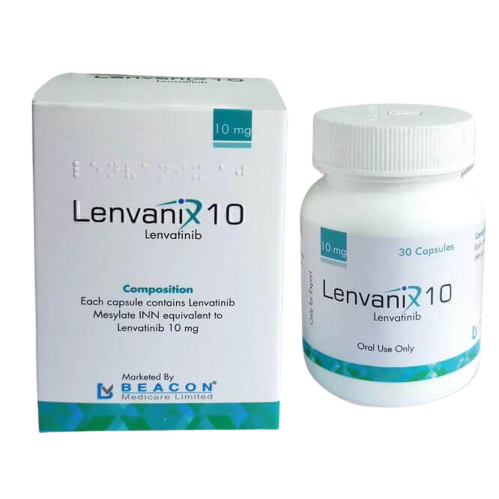
Lenvanix (Lenvatinib) 10mg Capsules – Targeted Cancer Therapy
Overview
Lenvanix (Lenvatinib) 10mg Capsules are an advanced targeted therapy used in the treatment of multiple cancers, including radioactive iodine-refractory differentiated thyroid cancer (DTC), advanced renal cell carcinoma (RCC), and unresectable hepatocellular carcinoma (HCC).
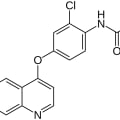
Lenvatinib belongs to the class of tyrosine kinase inhibitors (TKIs), working by blocking growth factor receptors that drive tumor growth and blood vessel formation (angiogenesis).
Key Product Information
-
Brand Name: Lenvanix
-
Generic Name: Lenvatinib (as mesylate)
-
Strength: 10mg capsules
-
Therapeutic Class: Tyrosine kinase inhibitor / Anti-cancer medicine
-
Manufacturer Origin: Imported
-
Formulation: Oral capsules
-
Prescription: Required, oncology specialist supervision
Indications (Uses)
Lenvanix (Lenvatinib) 10mg is prescribed for:
-
Differentiated Thyroid Cancer (DTC): In patients with locally recurrent or metastatic disease that is refractory to radioactive iodine.
-
Renal Cell Carcinoma (RCC): In combination with Everolimus after one prior anti-angiogenic therapy.
-
Hepatocellular Carcinoma (HCC): As a first-line treatment for patients with unresectable liver cancer.
Recommended Dosage
-
Differentiated Thyroid Cancer (DTC): 24mg once daily (two 10mg + one 4mg capsule).
-
Renal Cell Carcinoma (RCC): 18mg once daily (one 10mg + two 4mg capsules) with Everolimus 5mg.
-
Hepatocellular Carcinoma (HCC):
-
<60 kg body weight: 8mg daily.
-
≥60 kg body weight: 12mg daily.
-
-
In combination with Pembrolizumab (RCC): 20mg once daily.
💊 Dosage adjustments may be required based on side effects and patient tolerability. Always follow your oncologist’s guidance.
Mechanism of Action – How It Works
Lenvanix (Lenvatinib) blocks multiple receptor tyrosine kinases (RTKs) involved in cancer cell growth and angiogenesis, including:
-
VEGFR1, VEGFR2, VEGFR3 (vascular endothelial growth factor receptors)
-
FGFR1–FGFR4 (fibroblast growth factor receptors)
-
PDGFRα (platelet-derived growth factor receptor)
-
RET and KIT proto-oncogenes
By inhibiting these receptors, Lenvanix reduces tumor blood supply, growth, and progression.
Clinical Evidence
-
In thyroid cancer trials, Lenvatinib improved progression-free survival compared to placebo.
-
Real-world studies showed a disease control rate above 80% in advanced thyroid cancer.
-
In RCC and HCC, it demonstrated significant antitumor activity, improving survival outcomes.
Side Effects
Common side effects:
-
Hypertension (high blood pressure)
-
Diarrhea
-
Fatigue and weakness
-
Nausea and decreased appetite
-
Weight loss
-
Liver or kidney dysfunction
Serious risks (require immediate medical attention):
-
Cardiovascular complications
-
Gastrointestinal perforation
-
Thromboembolic events (blood clots)
Monitoring Requirements
Patients on Lenvanix require regular monitoring, including:
-
Blood pressure checks
-
Liver function tests
-
Kidney function tests
-
Routine oncology follow-ups
Storage Instructions
-
Store at 20–25°C (68–77°F).
-
Protect from moisture and direct sunlight.
-
Keep out of reach of children.
Why Choose Lenvanix (Lenvatinib) 10mg?
-
Globally recognized targeted therapy (also marketed as Lenvima by Eisai Co.).
-
Proven effectiveness in thyroid, kidney, and liver cancers.
-
Convenient oral capsules – no hospital infusion required.
-
Backed by clinical trials and real-world evidence.
Conclusion
Lenvanix (Lenvatinib) 10mg Capsules are a powerful targeted treatment option for thyroid, renal, and liver cancers. By blocking multiple cancer growth pathways, it helps control tumor progression and improve patient outcomes. Treatment must always be guided by an oncology specialist due to potential side effects and required monitoring.
Reviews
There are no reviews yet.